
Time is a funny one.
We know it’s limited (although it’s also a social construct).
We spend it, waste it, save it, while it away.
They say time is money, but I believe that time is even more valuable. You can always earn more money, or borrow it, but you can never get back the time that has gone.
We are fascinated by the idea of turning back time, travelling through time, or wondering what would have happened if we spent our time differently.
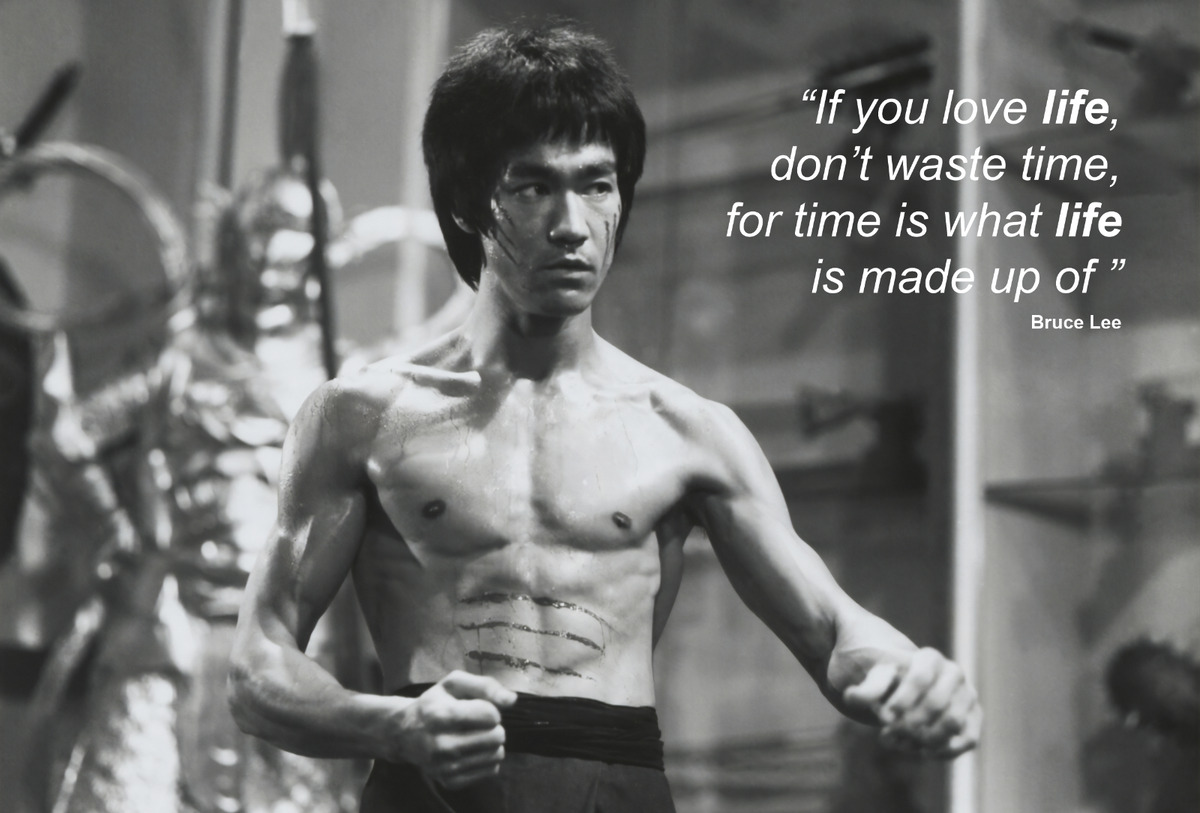
I love this quote, because it brings the abstract concept of time back into our very real lived experiences. Wasting time is wasting our lives, and we definitely only have one of those.
I’ll eat my hat if you’ve never wished you managed your time better. I see it in almost all of my clients, and there are 8000 time management courses on LinkedIn Learning.
But what if I told you that doing a time management course is not even going to scratch the surface? You’re a fully grown adult in a professional job, I’d say you know how to make to-do lists, time block your calendar and prioritise your work.
There could be something deeper going on, especially if you have recently taken on a new role, or are working on a big project you really care about.
Imposter Syndrome and How It Takes Up Time
Do you ever catch yourself saying these kinds of things to yourself?
- Who am I to do this project?
- What if they find out that I am not good enough?
- I can’t believe they hired me, one day they’ll realise their mistake
- I’m not as good as everyone else in the team
Imposter syndrome could be making it almost impossible for you to manage your time, your energy and your boundaries.
According to Clare Josa, author of Ditching Imposter Syndrome, there are four key behavioural changes that indicate imposter syndrome, and all of them can affect our productivity:
- People-Pleasing
- Procrastination
- Paralysis
- Perfectionism
The Four Ps of imposter syndrome are closely linked to our natural stress responses to fight, fly, freeze or fawn. When we feel more stress, perhaps because we are working on a project we really care about getting right, or we are in a new job, our responses are stronger and our behaviour changes more.
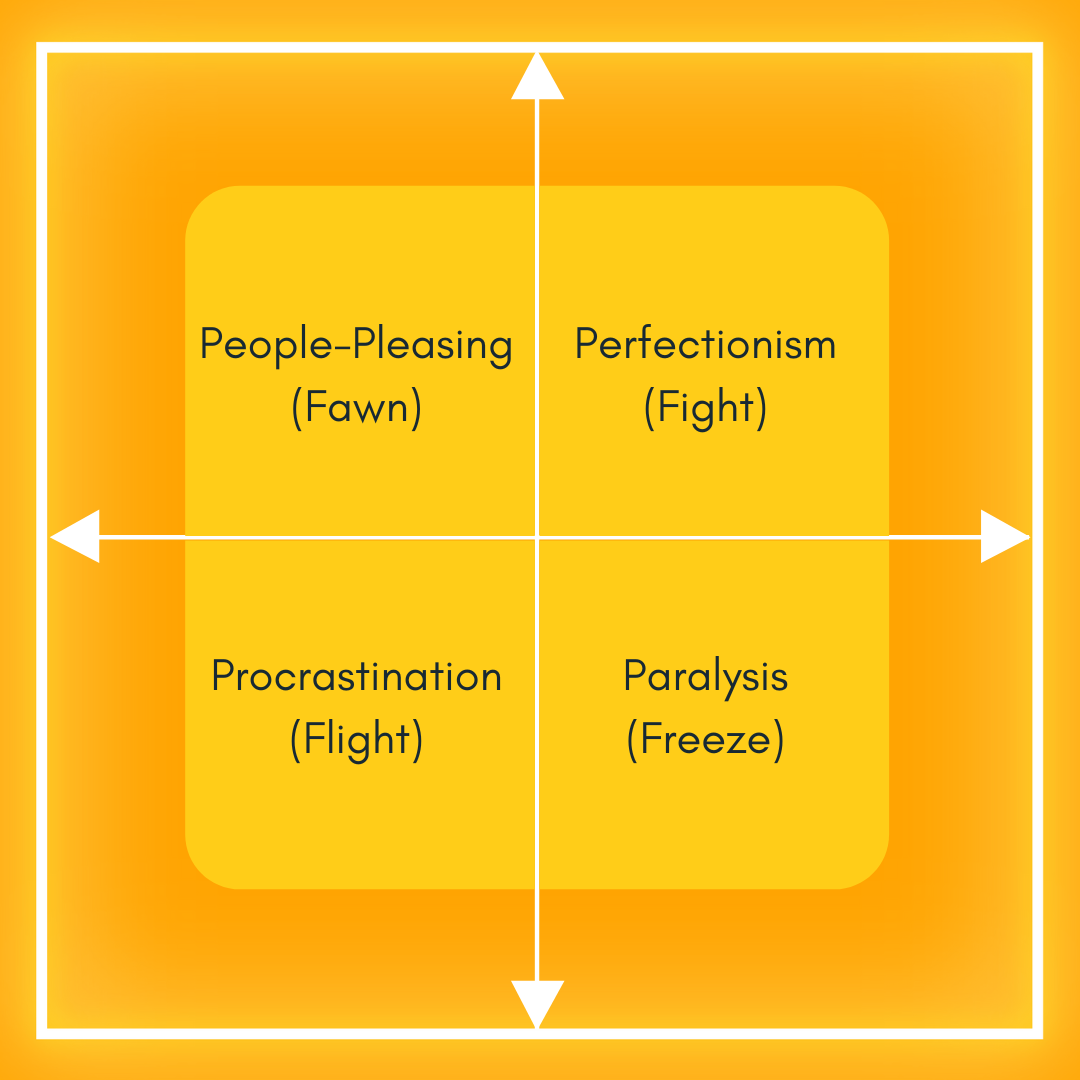
How do these responses stop us from being productive?
People-Pleasing: 65% of people that Clare surveyed recognised that they struggle with people-pleasing. This can look like needing to respond to every email in your inbox, so you don’t offend anyone or “look bad”. You might seek external validation for all your work so you feel like you belong. Perhaps you take on more extra work than you can possibly manage, because it feels impossible to say no. This can lead to working into evenings and weekends to get it all done.
Procrastination: This is when we make ourselves busy with non-important tasks. If you’ve ever looked at your to-do list and chosen the easiest thing rather than the most important thing (or maybe written a task you’ve already done – something I’m so guilty of just for the pleasure of ticking it off!), then you are procrastinating. You’re not alone, 62% of respondents do the same. You’re filling your time, but not moving forward, which is the road to burnout.
Paralysis: The equivalent of sticking your head in the sand. If you don’t do The Thing, then you can’t do The Thing wrong and get exposed as a total fraud. Unfortunately, as adults paid to do a job, The Thing has to get done so either you will get pulled up by your manager, or you will push through, riding on adrenaline, to just get it done by the deadline. But this way of working can be exhausting, eat into your personal time, and mean that, ironically, you don’t do your best work.
Perfectionism: A personal favourite of mine. Those who respond to stress with perfectionism will go to war with their job. They will work harder than anyone else, more hours, with impossible-to-meet standards (that no one else is holding them up to). They will check and recheck everything, allowing no one the chance to see any chink in their armour. Trying to keep this up is overwhelming and isolating.
Remember, you can experience a combination of these behaviours.
When I have struggled in the past, I could go from total paralysis (literally just staring at my to-do list and computer screen for an hour) to intense bouts of productivity doing some of my best work, but always double-checking and pre-empting any potential criticism. Then having zapped my energy, I would tick off low-value tasks from my to-do list or the worst, “do emails”. While I may have seemed fine from the outside and kept my boss happy, it was an emotional and hormonal rollercoaster, leaving me fried on a Friday night and never quite sure if I was doing a good enough job.
How can you fix it?
It will take more than reading this blog, that’s for sure. Dismantling imposter syndrome and taking back control of your time, energy and boundaries takes work, so here are a few starting points:
First
Take a deep breath and get your body moving. When we are in stress response mode, our body is on auto-pilot and we can’t change our reactions. Deep breathing, especially ujjayi breath, saying Om or humming, stimulates our parasympathetic nervous system which is all about rest and restoration. Exercise helps to remove the stress hormones from the body. From this calmer place, we make better decisions.
Second
Download this free guide to wrestle back control of your time and energy so you disconnect guilt-free, because you already got shit done. With exercises ranging from very gentle to more difficult, there is something to combat all four behaviours and get you more productive and feeling better.
The form you have selected does not exist.
Then
Work with a professional to fix the deeper issues of imposter syndrome.
When we face an identity crisis like this, and can’t see ourselves in the role we want to be in, it’s best to work with a qualified, trustworthy and supportive coach (like me, or Clare!).
“Imposter Syndrome isn’t just self-doubt in a spiky suit. It’s the gap between who you see yourself as being and who you think you need to be, to succeed and lead.”
Clare josa
You can’t get rid of imposter syndrome by pushing through, completing more and more online trainings or pretending to be someone you’re not. That is a sure-fire path to exhaustion and burnout.
By resolving the gap between who you think you are and who you need to be to lead and succeed, you will also start to take back control of your time, energy and boundaries.
P.S. This client was asking herself a lot of big questions. Having pushed and pushed at work for years, keeping everybody at home and in the office happy, she was no longer sure if she was on the right track. She came to me wanting support with exploring her options and deciding how to decide.
We worked together to dive deep into the identities she had been holding onto for a long time, and I guided her through exercises to shift them. This empowered her with the tools to make decisions for herself, not others, and start to make some big changes in her life.
Recent posts:
- Soar past the Thriving Threshold, with these three steps to career happiness
- Three things that make NOW the right time to take control of your career
- Want to fly in your career? Then you need to know your superpower
- When working with me won’t work for you
- How to transform your career with this one process
Leave a Reply